Christmas in the Luberon: the 13 Desserts and Provençal Traditions
Christmas in the Luberon is less about one enormous feast than a long, generous rhythm of shared food, family stories and small rituals. Here is what the famous 13 desserts mean, what may appear on a Provençal table, and how to experience the season with respect for local habits.
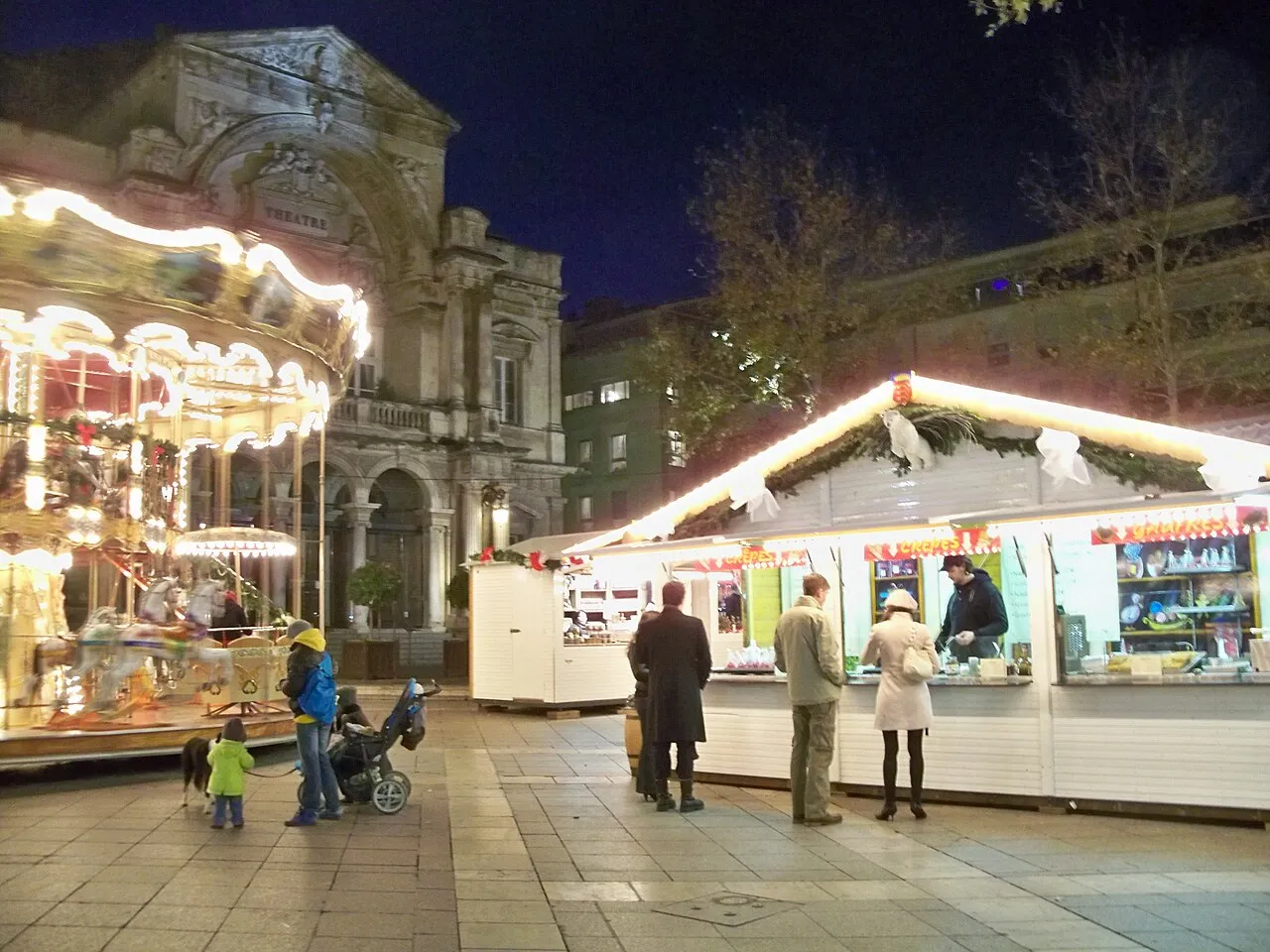
Christmas in the Luberon has a way of making you slow down before you mean to. A village square is quieter, shutters close a little earlier, and the scent coming from a bakery or kitchen suddenly feels like a proper invitation. Then you see a table covered with fruit, nuts, nougat and little sweet things, and realise that the famous Provençal Christmas dessert tradition is not really about rushing through pudding. It is about making room for people to linger.
The 13 desserts are probably the best-known part of a Provençal Christmas, but they make more sense when you see them as one moment in a wider season: market shopping, family meals, nativity scenes, walks in crisp winter light and the very local art of putting out more food than anyone could reasonably need. If you are spending Christmas near Avignon or exploring the Luberon, here is a friendly way to understand the tradition without treating it like a quiz with one correct answer.
The 13 desserts: a tradition, not a rigid shopping list
The number thirteen traditionally refers to Christ and the twelve apostles. That symbolic meaning is the reason for the name, but the contents of the table are much more flexible than many visitors expect. There are classic ingredients, regional preferences and strong family opinions, naturally. Still, one household’s thirteen desserts may look rather different from another’s.
You may see dried figs, almonds, walnuts, raisins and dates. These are often grouped among the dried fruits and nuts that bring texture, colour and a useful excuse to take “just one more” after dinner. Fresh seasonal fruit can join them too, alongside white nougat and darker nougat, small biscuits, candied fruit, calissons or other local sweets. Pompe à l’huile, a sweet olive-oil bread, is another name that often comes up in conversations about Christmas food in Provence.
That variety is part of the point. The table should feel generous, seasonal and shared, not like a display assembled to satisfy a rulebook. If you are invited to a meal, it is better to be curious than corrective. Ask what a particular sweet is called, whether it is made in the family, or which item nobody is allowed to skip. You will probably hear a story along with the answer.
The tradition also changes with real life. Some families make everything they can; others buy favourite pieces from a bakery or market. Some preserve an old list carefully, while others add a chocolate treat that the children insist upon. Christmas customs stay alive because people keep using them, not because they are frozen in one perfect form.
Before the sweets: the spirit of the gros souper
The desserts are often discussed on their own, but they belong to the atmosphere of the gros souper, the Christmas Eve meal traditionally associated with Provence. “Gros” can sound like a promise of excess to English speakers, yet the idea is not simply a huge feast. It is a special, communal meal with its own rhythm and family customs.
Historical practices and present-day habits do not always line up neatly. One family may speak about older meatless dishes, another may focus on a favourite fish course, and another may have simplified the whole evening around what works for grandparents, children and travel plans. That is completely normal. Christmas tables are personal archives as much as they are regional heritage.
What tends to endure is the pace. The food is meant to accompany the evening, not end it. Plates are passed, wine is poured where appropriate, somebody remembers how a relative used to prepare one dish, and the conversation shifts from serious to silly without warning. The 13 desserts then arrive as a signal that nobody needs to hurry home yet.
For travellers, this is a helpful distinction. You do not need to find a restaurant offering an official, museum-perfect menu in order to encounter a Provençal Christmas. A bakery window, a market conversation and a relaxed meal can tell you more than a labelled package ever will.
What you might find at a winter market
Markets are a lovely entry point because they let you see the ingredients in context. Look for dried fruit, nuts, nougat, seasonal fruit, biscuits and regional confectionery, but leave room for whatever a stallholder is especially proud of that day. The useful question is not “Is this one of the thirteen?” but “How do people here enjoy this at Christmas?”
In and around Avignon, market visits are also a practical way to build a simple festive picnic for your accommodation. Pick up a few things you genuinely fancy, then add bread, fruit and something warming to drink. You are not recreating someone else’s family Christmas; you are making your own memory of Provence.
If markets are your thing, our guide to Provençal markets around Avignon can help you plan an outing beyond the obvious stops. Winter is also a good time to browse at an unhurried pace. Vendors may be busy before the holidays, but the overall mood is usually much calmer than high summer.
Keep expectations sensible. Market days, seasonal stalls and holiday opening hours can change, especially around Christmas and New Year. Check locally before travelling for one specific purchase. And if a planned market is closed, do not write off the day: a bakery, grocer or café stop can easily become the better discovery.
Small rituals that make Christmas feel Provençal
Food is the headline, but the season is full of quieter details. Nativity scenes, known as crèches, are a familiar feature across Provence. They may include santons, the small painted figures that place ordinary village life alongside the Christmas story. A baker, a shepherd or another local character can feel as important as the central scene, which says a lot about the Provençal attachment to place and daily life.
You may also notice lights in village streets, church events, seasonal displays and shop windows with a distinctly local sense of humour. There is no need to chase every event on a packed itinerary. Choose one village stroll, one market visit and one long meal, then keep the rest of the day open. Winter rewards the traveller who leaves a little blank space.
The Luberon itself can be particularly appealing at this time because the landscape remains part of the experience. Bare vines, pale stone, cypress silhouettes and clear low-angle light give even a short drive a strong sense of season. Dress for cold mornings and changing weather, and enjoy villages as lived-in places rather than summer backdrops.
For more reasons to embrace a quieter trip, read why Provence works so well out of season. Christmas is not Provence at full-volume; it is Provence with more room to notice the small things.
How to enjoy the 13 desserts without overthinking them
Start with a few categories rather than thirteen compulsory objects. Choose a couple of dried fruits, a couple of nuts, one or two nougats or sweet specialities, some fresh fruit and a biscuit or sweet bread. Put them on a platter, make coffee or tea, and let people help themselves. That already captures the relaxed, generous spirit far better than hunting for exact authenticity.
If you are cooking, resist the temptation to turn the meal into a stressful performance. Buy good ingredients, keep the presentation simple, and save energy for the people at the table. A bowl of walnuts can sit next to bright dried figs; nougat can be broken into pieces rather than arranged with tweezers. The beauty is in the abundance and the invitation, not in flawless styling.
It is also worth remembering that local food traditions deserve respect without requiring imitation. Do not present a personal adaptation as the definitive Provençal version. Say it is inspired by the 13 desserts, mention where you bought something interesting, and be happy to learn a different version tomorrow. That approach is both more accurate and more fun.
Make a gentle Christmas base in Avignon
Avignon makes a practical base for a festive stay, with its own winter atmosphere and easy access to the broader Provençal mood. The Quartier des Teinturiers is especially pleasant for wandering when you want stone lanes and character without trying to fit an entire region into one afternoon.
Damien and Lubna host three apartments in this neighbourhood: Lavande Évasion, a one-bedroom apartment; Lavande Dorée, with two bedrooms; and Cinéma Provence, a one-bedroom loft with a private cinema setup. If you are deciding where to settle in, you can browse the options on the Avignon apartments page. A comfortable base gives you the freedom to return with market finds, pause between outings and enjoy the evening at your own pace.
That is perhaps the nicest lesson in the 13 desserts. Christmas in the Luberon does not ask you to do everything. Find a good table, taste something you have not tried before, take an evening walk, and leave time for another small sweet tomorrow. If you are planning a winter break, save this guide and let your festive itinerary stay deliciously unfinished.
About this article
What are the 13 desserts of Provence?
They are a traditional selection of Christmas sweets and fruits served in Provence after the festive meal. There is no single fixed list: households choose from local dried fruits, nuts, nougat, fruit, pompe à l’huile, calissons, biscuits and other seasonal treats. The important part is the shared abundance and the symbolic number thirteen.
Why are there thirteen desserts at Christmas in Provence?
The number traditionally represents Christ and the twelve apostles at the Last Supper. It is a religious symbol that has become a much-loved regional food custom, including in homes where the celebration is now mainly cultural and family-focused.
When are the 13 desserts eaten?
They are associated with Christmas Eve and the festive period around Christmas in Provence. Many families leave them available over several days so visitors, relatives and children can keep sharing a little something sweet rather than eating everything at once.
Do all families serve the same desserts?
No. Recipes, shopping habits and family memories vary from one part of Provence to another. A local market stall may offer a useful starting point, but a family table can be traditional without following a strict checklist.
Is the Luberon a good place to visit at Christmas?
Yes, if you enjoy a quieter Provence, seasonal markets, village lights and long lunches rather than peak-summer energy. Opening hours can be reduced and some places close for holidays, so it is worth checking practical details before setting out.