The Cistercian Trio: Sénanque, Silvacane and Le Thoronet
Sénanque gets the postcards, but Provence’s Cistercian trio is much bigger than one lavender view. Here’s how Sénanque, Silvacane and Le Thoronet differ, what makes each moving, and how to plan a thoughtful visit from Avignon.
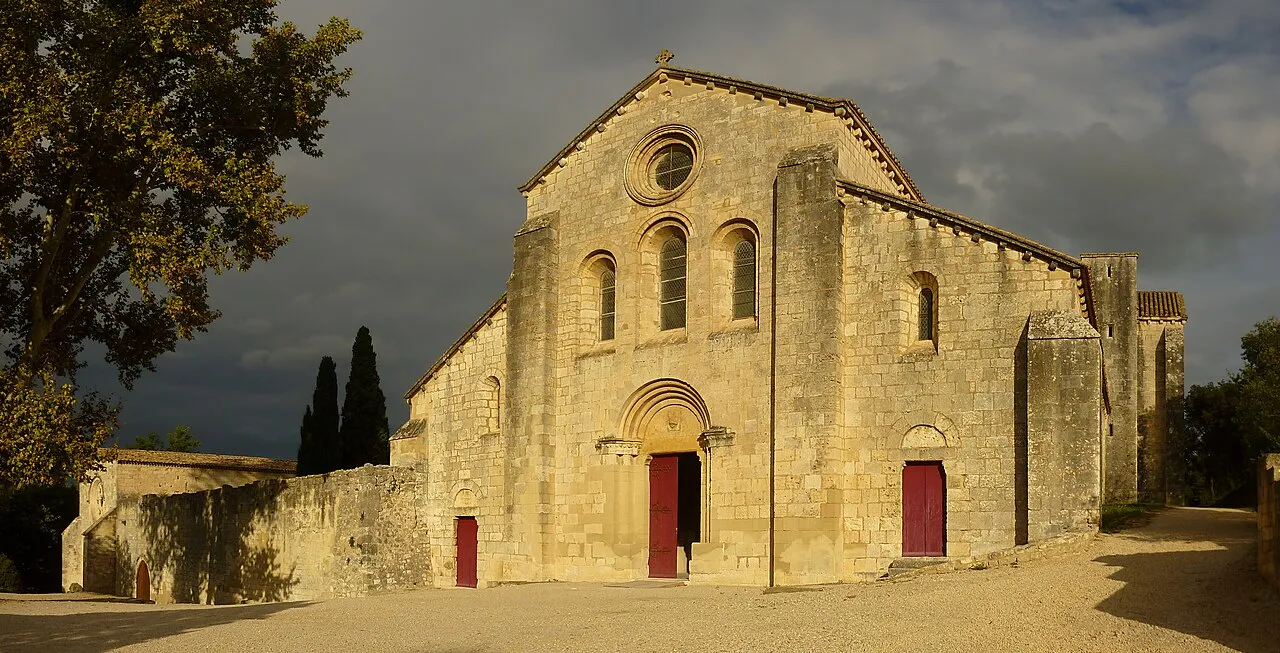
A Cistercian abbey does not shout for your attention. That is rather the point. No gilded overload, no theatrical façade, no need to know every medieval date before you arrive. You step through a gate, your footsteps change sound on the stone, and suddenly Provence feels quieter than it did five minutes earlier.
Most visitors know the image of Sénanque: pale abbey walls tucked into a valley, lavender rolling in front when the season is right. It is a beautiful image, no question. But Sénanque is only one part of a remarkable trio. Along with Silvacane and Le Thoronet, it tells a broader story about Cistercian life in Provence: work, prayer, restraint, water, light and an almost radical trust in simple materials.
These are not three copies of the same building. Think of them as three related voices. They share an architectural language, but their settings and moods are distinct. If you give them a little time, you may find that the quietest stop becomes the one you remember best.
Why these three abbeys belong together
The Cistercians emerged in medieval France with a wish to return to a stricter, plainer interpretation of monastic life. In architectural terms, that generally meant avoiding visual excess. Buildings were designed for use, proportion and contemplation rather than display. Stone did the decorative work. Repetition created rhythm. Daylight was treated almost like a building material.
In Provence, Sénanque, Silvacane and Le Thoronet became the best-known expression of this approach. Their churches, cloisters, chapter houses and monastic spaces reveal a shared preference for clean forms. You will see rounded arches, thick walls, restrained carving and carefully judged transitions from shadow into light.
That does not mean the experience is austere in a dull way. Quite the opposite. The lack of clutter makes the details easier to notice: the coolness near an arch, a worn stair edge, a roofline against the sky, the way a courtyard holds sound. You do not need to be an architecture specialist to respond to it.
The trio is also a useful antidote to trying to “do” Provence as a checklist. Rather than rushing from viewpoint to market to village, an abbey visit slows the tempo. It pairs especially well with a few unplanned moments: a long lunch, a country road, a coffee in the shade, or a second look at a place you nearly passed.
Sénanque: the iconic valley abbey
Sénanque is the one many travellers arrive knowing already, even if only from a calendar or a postcard. Near Gordes, its position in a narrow valley gives it an immediate sense of separation from the busier hilltop routes. The abbey seems to belong to the folds of the landscape rather than simply sitting in front of them.
Its fame can create mixed expectations. During the lavender period, the view can be busy and very much photographed. That does not make it false; it simply means you should arrive prepared to share the scene. If your goal is the famous flowering field, treat timing as approximate rather than guaranteed. Weather and growing conditions decide more than any travel itinerary does.
Outside the lavender moment, Sénanque becomes easier to read. The stone church, cloister and monastic layout take centre stage. You notice how deliberately the complex meets the valley and how little it needs to make an impression. Early or later in the day often feels gentler than the middle of a hot afternoon.
Sénanque works naturally with Gordes, though the contrast is part of the pleasure. Gordes is elevated, social and outward-looking, with broad views and pale houses stacked along the slope. Sénanque feels enclosed and inward-looking. If you want to combine the two, our guide to Sénanque and Gordes can help you shape a day without turning it into a race.
One practical thought: respect the atmosphere. This is not a film set created for visitors. Keep voices low where requested, follow access rules, and let the place be more than a backdrop for a photo. You will get a better visit out of it anyway.
Silvacane: the quieter surprise
Silvacane is often the least familiar name in the trio, which can make it the most rewarding one to discover. Near La Roque-d’Anthéron, it sits in a different Provençal context from Sénanque’s compact Luberon valley. The approach already feels less postcard-scripted, and that is part of its charm.
Here, the appeal is in the clarity of the architecture and the unforced pace of the visit. The church and cloister invite you to look slowly rather than hunt for one big reveal. A capital, an arch, a courtyard edge or a long wall catches the eye because there is space around it. The abbey does not compete with itself.
Silvacane is a good choice if you are travelling with people who enjoy heritage but are not keen on crowds or highly choreographed tourist stops. It also suits travellers building a broader route through western Provence. Rather than asking whether it is “better” than Sénanque, think of it as a different mood: less iconic, perhaps, but quietly generous.
This is a place where a little reading beforehand can enrich the visit, but it is not essential. Stand still in the cloister for a minute. Listen to the change in sound between open air and covered passage. Notice how the architecture directs your attention without signs telling you what to feel. The Cistercian idea becomes very physical there.
Le Thoronet: stone, light and extraordinary sound
Le Thoronet Abbey has a reputation among architecture lovers for good reason. In the wooded landscapes of the Var, it has an intensity that can feel almost startling. The forms are spare, but they are also immensely confident. Nothing seems accidental: the scale of the church, the weight of the masonry, the measured openings and the way daylight settles across the interior.
If one abbey in the trio demonstrates that simplicity can be powerful, this may be it. Visitors often talk about the acoustics, and even an ordinary footstep can make you aware of the building’s volume. It is worth resisting the urge to fill that space with noise. Let the sound and silence do their work.
Le Thoronet is usually better treated as its own destination than squeezed into an already packed day. Give yourself room for the drive, the visit and a relaxed onward plan. Provence roads can be part of the pleasure, but they are not a stopwatch exercise. A generous itinerary will make the abbey feel more memorable than a frantic one ever could.
It can also be a smart choice outside peak summer. Cooler months suit stone architecture beautifully, and the quieter season gives you more room to absorb the place. For ideas on why a lower-season trip can be a real advantage, see five reasons to visit Provence outside high season.
Choosing one abbey, two, or the whole trio
Trying to see all three in a single day is technically possible by car, but possible is not the same as enjoyable. The trio is spread across different parts of Provence, and the experience loses something when every visit becomes a timed dash from car park to doorway and back again.
For a first stay around Avignon and the Luberon, Sénanque is usually the most natural fit. Pair it with Gordes or another nearby stop, then leave enough room to wander. If you have a day heading west or are curious about a less obvious heritage stop, choose Silvacane. If you are travelling further into the Var and architecture is the priority, build a day around Le Thoronet.
With several days in Provence, seeing two abbeys can be a lovely balance. You begin to recognise their family resemblance while appreciating the differences in landscape. See all three only if you can spread them across your stay. That turns the trio into a thread running through the week rather than a trophy collection.
From Avignon, a comfortable base makes that slower style of travel much easier. Damien and Lubna host three apartments in the Quartier des Teinturiers: Lavande Évasion, Lavande Dorée and Cinéma Provence. If you are planning your days around Avignon, you can check availability or book direct and keep room in the itinerary for places that deserve more than an hour.
A few simple tips for a better visit
First, check current opening arrangements before setting off. Historic sites can have seasonal hours, temporary changes or specific visitor guidance. It is a small bit of planning that prevents a disappointing detour.
Second, choose shoes for uneven ground and a day that may include village lanes, paths or long stone floors. Bring water in warm weather, but remember that the interiors can feel cool. A light layer is often useful even when the afternoon outside is bright and hot.
Third, do not judge your visit by whether you capture the “right” image. Sénanque especially comes with a ready-made visual expectation, yet the best memory may be a shaft of light in a side space or the sound of swallows outside a courtyard. Photography is welcome where permitted, but looking first makes the photographs better.
Finally, leave an empty pocket in the day. Provence has a way of rewarding it. Perhaps you stop for fruit at a market, take a wrong turn toward a view, or linger over lunch because nobody is checking the next attraction. The Cistercian trio is a fine reminder that travel does not always need more. Sometimes it needs less, done properly.
Whether you choose the famous valley at Sénanque, the calm clarity of Silvacane or the powerful stone spaces of Le Thoronet, go with time to spare. Let one abbey be enough for the day if that is what feels right. The best souvenir is not a perfect itinerary; it is that rare moment when Provence goes quiet and you notice it.
About this article
Which abbeys make up the Cistercian trio in Provence?
The three abbeys are Sénanque Abbey near Gordes, Silvacane Abbey near La Roque-d’Anthéron, and Le Thoronet Abbey in the Var. They are often grouped together because they are major Cistercian foundations in Provence and have closely related medieval architecture.
Can you visit all three Cistercian abbeys in one day?
It is possible by car, but it makes for a long day with a lot of driving. A better approach is to give one abbey proper time, pair it with a nearby village or lunch stop, and save the others for another day or a longer Provence stay.
Which Cistercian abbey is best for a first visit?
Sénanque is the easiest first choice if you are already visiting Gordes or the Luberon. Le Thoronet is often the strongest choice for travellers who want to focus on architecture and atmosphere, while Silvacane suits a quieter detour through western Provence.
Is Sénanque Abbey covered in lavender all year?
No. The famous lavender scene is seasonal, and flowering conditions vary from year to year. Outside that period, Sénanque is still worth seeing for its valley setting, Romanesque lines and calm sense of place.
What should I wear when visiting a Cistercian abbey?
Choose comfortable walking shoes and modest, practical clothes. These are historic religious places as well as visitor sites, and cool stone interiors can feel noticeably fresher than the Provençal sun outside.